


PK Welcome Point
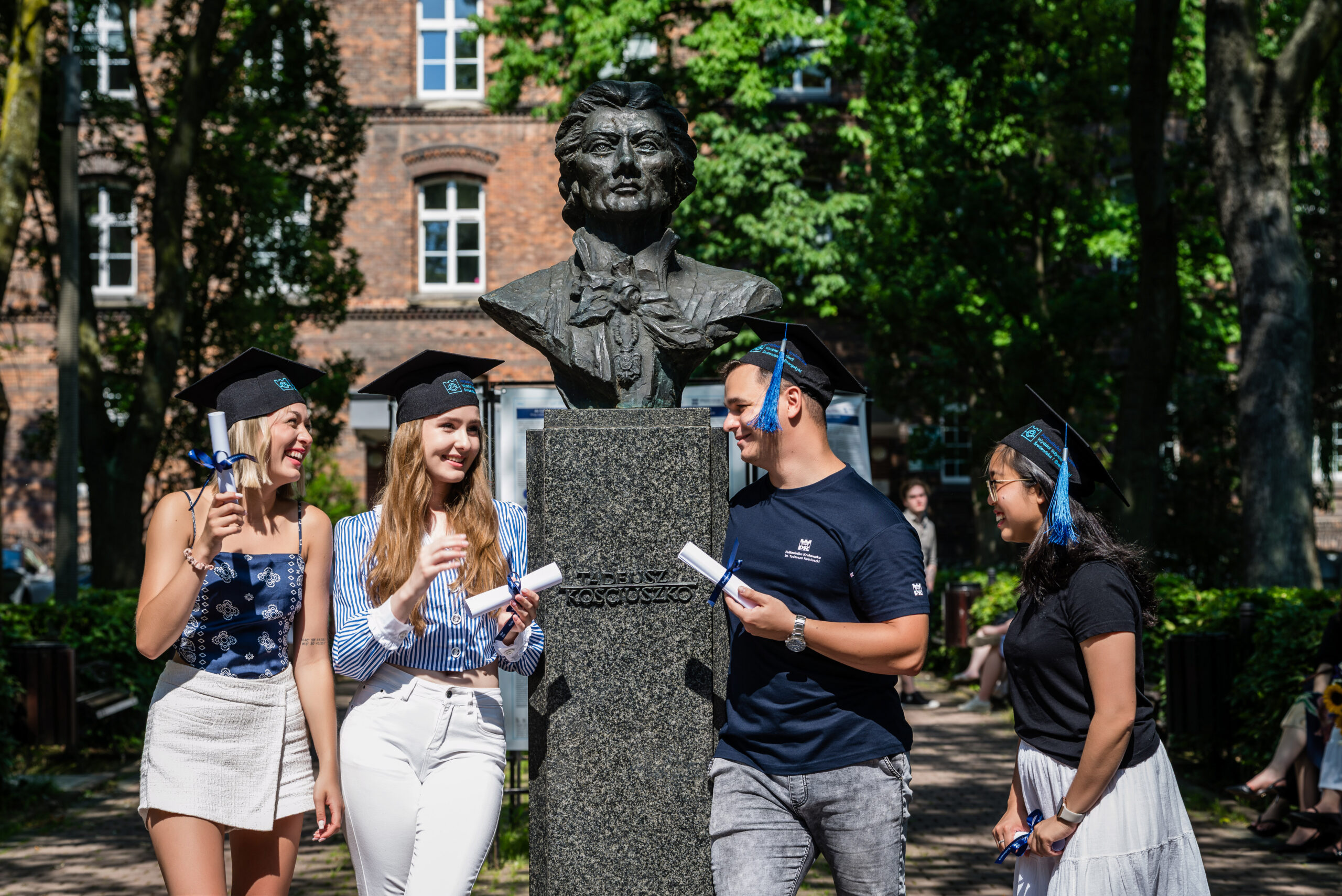
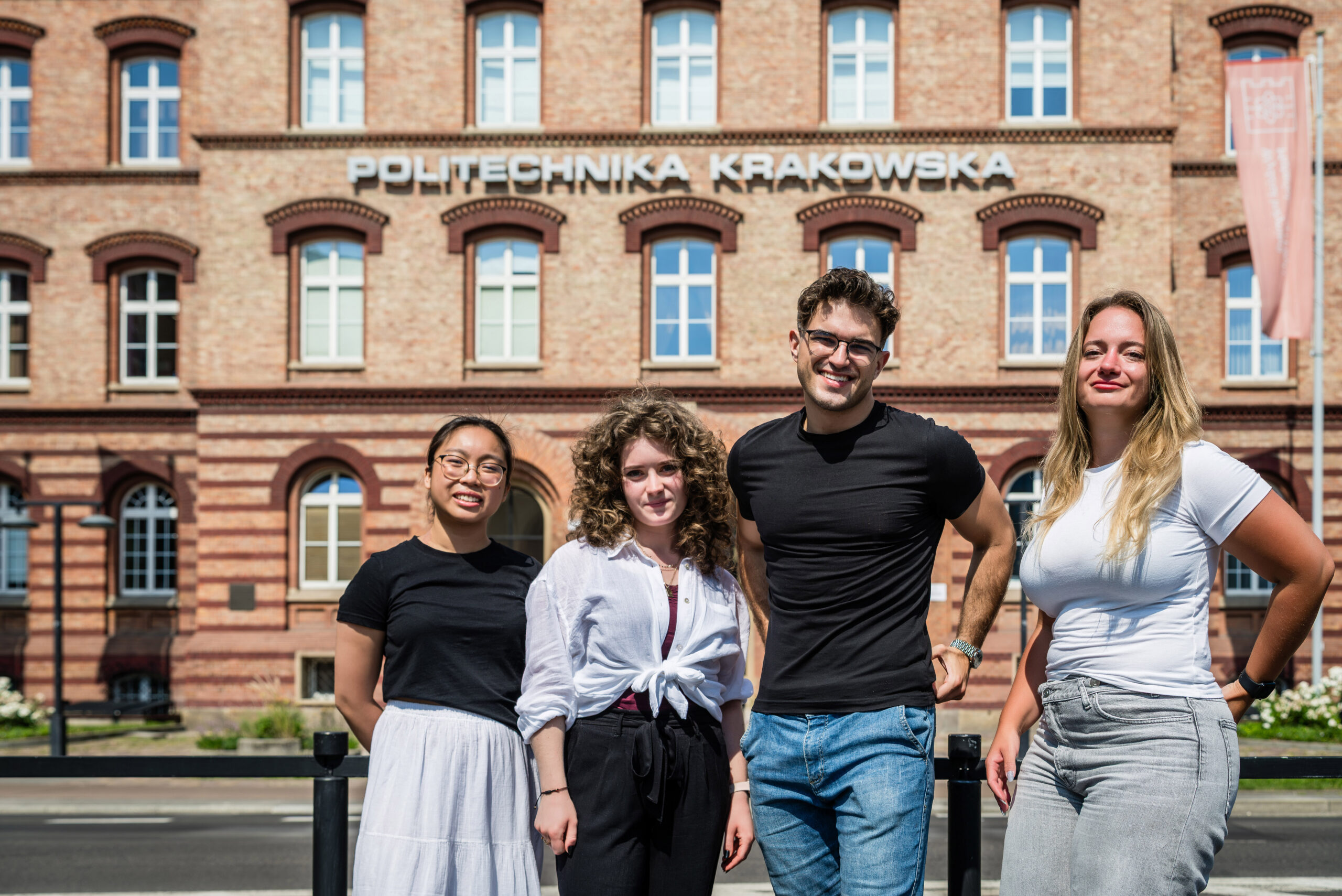
Space created to help our international community feel right at home from day one.
Project “Welcome to PK – One place, all the answers” is cofounded by the Welcome to Poland programme run by the Polish National Agency for Academic Exchange (NAWA).
Welcome Point at PK KUT
Your time at PK Krakow University of Technology is important to us! Whether you are pursuing a degree, conducting research or joining our academic staff, the PK Welcome Point team is always here to provide guidance and support. If you need assistance with any questions or challenges during your stay, please don’t hesitate to reach out – we are here to ensure your transition and stay are as smooth and successful as possible.

Why visit the PK Welcome Point?
Reliable First Point of Contact
We assist our guests from day one, helping you navigate your new academic and professional environment smoothly.
Dedicated Support
A welcoming, safe space where every international visitor can find guidance and solutions to any campus challenges.
Free Administrative Guidance
Take advantage of our free assistance with essential administrative formalities.
Community Integration
We bridge the gap between our international guests and the university, organizing events that help you connect with the PK KUT community.
Find us at the main campus!
GIL Gallery building, room 207, 2nd floor | 24, Warszawska Street | 31-155 Kraków, Poland
Make sure you are prepared for the journey!
To ensure a smooth transition and a stress-free start to your new chapter, it is essential to familiarise yourself with Poland’s national entry and residency regulations before you travel. This section covers everything you need for a successful arrival – from securing your visa and arranging valid health insurance to finding accommodation and settling into daily life in Kraków.
Visas
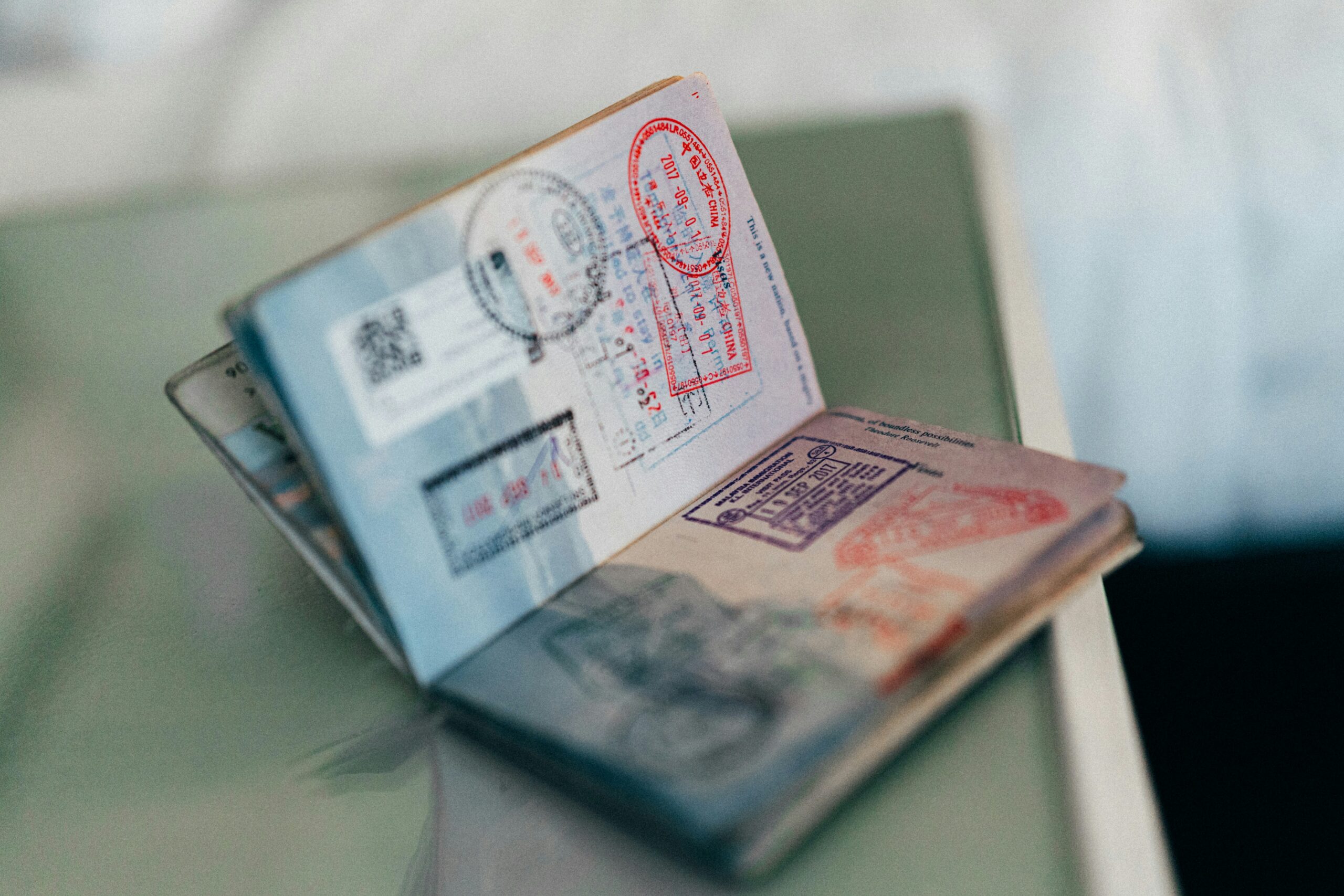
Navigating the entry requirements for a foreign country can feel complex, but securing the right visa is your baseline for a smooth arrival in Poland. The type of visa you need depends entirely on the purpose and duration of your stay.
Schengen Visa (Short-Term Stays)
A Schengen visa (C-type) is intended for short-term visits to Poland and the broader Schengen area. It is valid for stays lasting no longer than 90 days within any 180-day window. Best for International academics traveling for scientific conferences, research projects, short congresses or brief professional collaborations where flexible mobility is required.
Schengen area includes such countries as:
Austria, Belgium, Bulgaria, Croatia, Czech Republic, Denmark, Estonia, Finland, France, Germany, Greece, Hungary, Italy, Latvia, Lithuania, Luxembourg, Malta, The Netherlands, Poland, Portugal, Romania, Slovakia, Slovenia, Spain, Sweden.
You can use a special calculator to count the stay in the visa-free period – check Calculator of travel days remaining under a Schengen short-stay visa.
National Visa (Long-Term Academic Stays)
If you are coming to Poland as a full-time student, a PhD candidate at a doctoral school or an international professor on a long-term research contract, you will need a National Visa (D-type). This type of visa allows you to reside in Poland for its duration and grants you the right to travel within the Schengen area for up to 90 days in any 180-day period. It is typically issued for a maximum period of one year.
Because full-cycle degree programs, doctoral and deep scientific research naturally take longer than a single year to complete, you will eventually need to transition your legal status. To stay in Poland legally beyond your visa’s expiration date, you must apply for a Temporary Residence Permit (Karta Pobytu) tailored to your specific academic or professional purpose. You can read more on the Temporary Residence Permit on MOS website.
Useful links:
Moduł Obsługi Spraw (Foreign Nationals Services Unit), Visas and visa procedures
Polish Ministry of International Affairs, Wizy
Euraxess, Entry conditions – information for non-EU citizens
Euraxess, Entry conditions of EU citizens
Entry conditions
Ensuring a smooth transition to Poland starts with understanding your entry requirements. The rules for crossing the border and staying in Poland depend entirely on your country of citizenship.
EU citizens
If you are an EU or EEA citizen, crossing the Polish border is simple. You only need a valid ID card or passport. For the first 3 months of your stay, you can live, study and work here only on the basis of these documents.
If your stay exceeds 3 months, you are legally required to register your stay with the Lesser Poland Voivodeship Office (Małopolski Urząd Wojewódzki). Please check the “Temporary Residence Registration” section for more details.
Non-EU citizens
If you are arriving from a country outside the EU/EEA, you must secure a visa prior to your arrival. Because visa processing times can vary due to high application volumes, we strongly recommend starting your application well in advance.
To successfully obtain your visa, you will need to justify the purpose of your stay by providing the following documents to the Polish consulate:
- ✓Valid Passport: Must cover the entire duration of your intended stay.
- ✓Health Insurance: Proof of a compliant coverage (see precise terms in our “Health Insurance” section).
- ✓Purpose of Stay Certificate: Your official university admission letter, formal doctoral school acceptance or university employment contract.
- ✓Work Permit Exemption: As an international student, doctoral candidate or academic researcher in Poland, you are legally exempt from requiring a work permit.
National visa (D-type visa)
For long-term academic stays exceeding 90 days, you will need to apply for a National D-type visa. This visa allows you to reside in Poland for its duration and grants you the right to travel within the Schengen area for up to 90 days in any 180-day period.
Useful links:
Euraxess, Entry conditions & visa
Moduł Obsługi Spraw (Foreign Nationals Services Unit), Rules of entry and short-term stay in Poland
Health Insurance
Your health and safety are top priorities. To ensure you are fully protected during your time in Poland, all non-EU/EEA citizens are legally required to hold valid health insurance for the entire duration of their stay in Poland.
To meet legal requirements, your insurance policy must feature a minimum coverage of €30,000 and include: emergency medical care, urgent hospitalization, medical repatriation (travel back to your home country for medical reasons) and expenses arising from death.
Commercial Travel Medical Insurance
You can purchase a policy from a private provider prior to your arrival. To ensure your policy will be accepted by Polish consulates and immigration offices, refer directly to the official list provided by the Polish Ministry of Foreign Affairs.
Check “List of Insurers and Offered Insurance Products” (the file is located at the very bottom of the webpage) to find an approved provider.
The Polish National Health Fund (NFZ)
Once you arrive in Poland, you have the option to join the public healthcare system. This grants you the exact same healthcare rights as Polish citizens, covering free visits to general practitioners, specialists and public hospital care.
- ✓Employed Staff, Professors: If you are hired on an employment contract (Umowa o pracę), your health insurance is automatically deducted from your salary and managed by the university.
- ✓Students and PhD Candidates: You can sign a voluntary insurance contract directly with the NFZ (Narodowy Fundusz Zdrowia). To register, you must submit a formal application to the local provincial branch of the NFZ in Kraków and present the following documents:
- ✓Passport along with a valid document confirming legal residence in Poland (such as visa or residence card),
- ✓Official document confirming student status (student/doctoral ID card or a formal certificate of enrollment issued by the university),
- ✓Written permission from your parents to sign the voluntary contract if you are a minor (under 18 years of age).
Once you are registered with the NFZ, you can easily monitor your active insurance status, view electronic prescriptions (e-recepty) and access your medical history online using the official Online Patient Account (IKP – Internetowe Konto Pacjenta).
To set up an IKP profile securely, you will need a Trusted Profile (Profil Zaufany) – see “Profil Zaufany (Trusted Profile)” section.
European Health Insurance Card
If you are a citizen of an EU/EEA member state or Switzerland, you are entitled to use the public healthcare system in Poland via the EHIC (European Health Insurance Card). Holding a valid EHIC card gives you direct access to necessary medical treatment in Poland under the same financial conditions as Polish citizens – meaning you will receive state-financed medical care free of charge at the point of service.
EU citizens, who do not hold an active public insurance policy in their country of origin, will not be able to get an EHIC card. In this scenario, to secure health coverage, they are advised to either sign a voluntary health insurance agreement with the Polish National Health Fund (NFZ) upon arrival in Poland or purchase a health insurance policy from a private insurer.
Useful links:
Website of the Ministry of Health and the National Health Fund – pacjent.gov.pl, How to Get Voluntary Insurance
Website of the Ministry of Health and the National Health Fund – pacjent.gov.pl, Internetowe Konto Pacjenta
European Commission, European Health Insurance Card
PK Krakow University of Technology, Ubezpieczenie zdrowotne studenta/doktoranta
Recognition of the documents
Prior to applying for a degree program, a doctoral school or a job, you may need to verify the legal status of your foreign educational documents in Poland. The central state institution responsible for verifying and issuing statements on foreign qualifications is Narodowa Agencja Wymiany Akademickiej – NAWA (The Polish National Agency for Academic Exchange).
Many international diplomas are recognized automatically by operation of law in Poland. If your higher education degree or school-leaving certificate was awarded by an accredited institution operating within the education system of an EU, OECD or EFTA country, your diploma is legally recognized as equivalent to its Polish counterpart. You do not need to apply to NAWA for an individual decision.
Check if your documents are on the official list: “Do I need NAWA Recognition?”, Automatic Recognition of Secondary School Certificates, Automatic recognition of Academic Diplomas via Kwalifikator.
You can instantly verify your documents’ status using NAWA’s Kwalifikator database. It allows you to automatically generate a formal, digitally signed General Recognition Statement in PDF format, which outlines your legal rights in Poland, the level of education achieved and your qualification’s placement within the Polish system.
If your country of origin is not covered by automatic recognition, you must apply for an Individual Recognition Statement. To do that, you need to use the SYRENA System.
The entire application process is conducted online and the final official statement is also issued electronically in Polish as a digitally signed PDF. Diploma recognition is a free public service and applications can only be submitted through the system. There is no possibility of accelerating the process through paid intermediaries.
Useful links:
International Relations Office, NAWA Recognition
NAWA, Recognition
NAWA, Kwalifikator
NAWA, Syrena
NAWA, Degrees obtained in EU, OECD or EFTA countries
Accommodation
Finding convenient, affordable and safe housing is a top priority as you prepare for your arrival in Kraków. PK Krakow University of Technology offers various accommodation options at our official students’ halls of residence. Our campus housing provides a fantastic home base for degree students, PhD candidates and visiting international researchers, allowing you to settle into the city within a budget-friendly environment.
PK KUT Dormitories
Our Student Housing Estate is located in the peaceful district of Czyżyny (featuring dormitories Rumcajs, Leon, Bartek, Balon and Assistant’s Home on ul. Skarżyńskiego). The campus features fully equipped rooms paired with common spaces, including shared kitchens and laundry facilities.
This green neighborhood is also highly family-friendly, hosting a dedicated kindergarten, community parks, sports fields and a variety of local supermarkets, restaurants, Kwadrat club and a shopping center. The dormitory campus is situated in immediate proximity to major bus stops and tram lines, providing fast and direct public transportation links straight to the city center and PK KUT’s various faculty buildings across town.
If you are a candidate for the first year of Bachelor’s studies, applying for the place in the Dormitory comes down to marking this information in the application form. If you have already lived in the Sudent’s Hall in the previous years, you can apply for an extension via EHMS system.
In the “dormitories” section you can find following options:
- ✓Dormitory application: used to submit an online accommodation proposal
- ✓Create Reservation: available after the application has been approved by the Student Housing Administration, allowing students to reserve a room in a dormitory.
IMPORTANT! Please note that the number of available places is limited.
Private Accommodation
If you prefer to live off-campus, Kraków offers a diverse private rental market with apartments or shared rooms available throughout the city.
- ✓Local Listing Portals: The most popular Polish website for finding rooms or flats directly from private landlords is OLX (under the “Wynajem” (Rent) section).
- ✓Social Media: There are numerous active Facebook groups dedicated to renting flats in Kraków (“Mieszkania/pokoje do wynajęcia Kraków” or similar) feature daily listings.
While the private housing market is highly dynamic, navigating international leases requires careful attention to legal details:
- ✓Brokerage Fees: Many private listings are managed by third-party real estate agents rather than the owner directly. If you use an intermediary, be prepared to pay an additional, non-refundable agency commission fee, which typically ranges from half to a full month’s rent plus tax – separate from your standard refundable security deposit (kaucja).
- ✓Avoiding Rental Scams: While rental fraud is rare, protect yourself by never transferring money or deposits before physically viewing the property or receiving a signed contract. If a deal looks uncharacteristically cheap or the landlord refuses a personal viewing, proceed with extreme caution.
- ✓The Importance of the Written Contract: Never rely on verbal agreements. Ensure you sign a formal, written rental contract that you completely understand. It is highly recommended to review the terms line-by-line alongside your landlord.
The contract matters for your legal stay: A signed, valid rental agreement is an absolute mandatory document required by the Polish administration when you apply for your temporary residence registration (Zameldowanie) or submit files for a temporary residence card (Karta Pobytu).
Useful links:
Open Kraków, Krakow – a city for everyone! City guide for foreigners
Student Housing Estate of PK Krakow University of Technology, About Dormitories
OLX, OLX Official Website
Living in Kraków
Kraków is a city where rich cultural heritage meets dynamic modern opportunities. Situated in the south of Poland within the Lesser Poland Voivodeship, Kraków plays a fundamental role in the country’s education, science, economy as well as tourism. It is not only a great destination for an unforgettable visit, but also a safe, fulfilling and inspiring place to live.
The historical importance of this region is underscored by its density of UNESCO World Heritage sites. Right at your doorstep, you will find the medieval Old Town of Kraków, the historic Wieliczka and Bochnia Royal Salt Mines alongside the Wawel Royal Castle and the Memorial and Museum Auschwitz-Birkenau. This deep cultural backdrop fuels an exceptional academic ecosystem, making Kraków a prominent European university hub.
Kraków has always stood at the forefront of Poland’s major transformations by embracing multiculturalism as a core value. Today, with one in ten residents arriving from outside of Poland, openness and mutual acceptance are woven directly into the city’s identity. Kraków remains deeply shaped by its rich historical connections to Jewish, Ukrainian, Tatar, Armenian, and Roma communities – proving that its vibrant future depends entirely on being an open, welcoming home to all.
To help you settle in smoothly, several dedicated public programs offer comprehensive integration support. The Open Kraków (Otwarty Kraków) initiative and the Multicultural Center (Centrum Wielokulturowe) work continuously to create a friendly local environment.
Furthermore, you can find the specialized Information Point for Foreigners operating right inside the Multicultural Center. This free public asset provides newcomers with direct access to professional legal advice, psychological support, and administrative assistance – guiding you through legal residency conditions, healthcare registration and local school enrollment for your children.
This unique environment has long served as a sanctuary for world-renowned creative visionaries. By joining our academic community, you are stepping into the hometown of celebrated literary icons like Nobel laureate Czesław Miłosz and sci-fi master Stanisław Lem. It is a city whose creative energy has been permanently shaped by legendary musical figures like Kora, Marek Grechuta and Zbigniew Wodecki, as well as the internationally acclaimed film director and drama professor Jerzy Stuhr.
Useful links:
Open Kraków, Krakow – a city for everyone! City guide for foreigners
Kraków.pl – Interactive Map of Kraków Districts
Multicultural Center
Information Point for Foreigners
Information and Helpline for Third-Country Nationals
The Official Travel Portal of the Małopolska (Lesser Poland) Province
Kraków Culture
Kraków-wow!
Kraków.pl Magazine
Kraków Festival Office
The Design Pharmacy
Monthly Costs of Living in Poland

Just to make living a little easier
We know that adjusting to a new culture and environment can be challenging at first. To help you settle in, we’ve gathered information on the most essential topics such as Temporary Residence Registration, Medical Care, Transport or Living in Kraków. Consider this your roadmap for a successful and legal stay in Poland!
Take these steps to save your time
To help you get settled, here are three simple steps you can take during your first few days. Handling them early will give you peace of mind and make the rest of your transition smooth and easy!
1. Grab a local SIM card
Get a SIM card from a local mobile operator and register it with your passport. This gives you immediate internet access and a Polish phone number needed for banking.
2. Register Your Address
Register at the City Hall (Zameldowanie). You will automatically get a PESEL number, your official Polish ID number, essential for administrative matters.
3. Open Polish bank account
Opening a local account allows you to easily set up a Profil Zaufany (Trusted Profile). This digital tool lets you safely handle official matters online.
Temporary Residence Registration
EU citizens
Every EU citizen who plans on staying in Poland for a period up to 3 months, are obliged to register their Temporary Place of Residence (Zameldowanie) no later than on the 30th day after entering Poland.
To register, one needs to submit appropriate documents at the Kraków City Hall (Urząd Miasta Krakowa):
- ✓Filled out form “Zgłoszenie pobytu czasowego” (signed by the owner/administrator of your accommodation place),
- ✓Contract confirming a place of residence (eg. Rental Agreement),
- ✓Valid Passport or National Identity Card.
All submitted documents must be in Polish, so you might need to have some specific documents translated by a certified translator. Registration process is free-of-charge. While registering, one will be assigned an individual PESEL number automatically.
You can find detailed information on Temporary Residence Registration for EU citizens on Euraxess website.
For the residence exceeding 3 months (a continuous 90-day period of stay), an EU citizen must register the EU Residence with the Lesser Poland Viovodship Office (Małopolski Urząd Wojewódzki). To do that, one need to book an appointment by filling out an appointment table and send it to ue@muw.pl. During the in-person meeting following documents should be submitted:
- ✓Filled out “Wniosek o zarejestrowanie pobytu” form,
- ✓4 photos (standard passport size, 35 x 45 mm),
- ✓Valid Passport or National Identity Card,
- ✓A copy of your Health Insurance,
- ✓A confirmation of your student status at CUT (Zaświadczenie o statusie studenta) or an employment contract.
Detailed information regarding the Registration of Residence for EU Citizens can be found on MOS (Foreign Nationals Services Unit) website.
Do not confuse EU Residence Registration with Temporary Place of Residence/Address Registration (Zameldowanie) – if you stay in Poland for longer, you will have to do both.
Non-EU citizens
Citizens from the countries outside of EU should register their Temporary Place of Residence (Zameldowanie) no later than on the 4th day after entering Poland. To register, one needs to submit appropriate documents at the Kraków City Hall (Urząd Miasta Krakowa):
- ✓Filled out form “Zgłoszenie pobytu czasowego” (signed by the owner/administrator of your accommodation place),
- ✓Contract confirming a place of residence (eg. Rental Agreement),
- ✓Valid Passport,
- ✓Visa or Polish Residence Card.
All submitted documents must be in Polish, so you might need to have some specific documents translated by a certified translator. Registration process is free of charge. While registering, one will be assigned an individual PESEL number automatically.
You can find detailed information on Temporary Residence Registration for non-EU citizens on Euraxess website.
Useful links:
Open Kraków, Krakow – a city for everyone! City guide for foreigners
Euraxess, Registration in municipality/district
Moduł Obsługi Spraw (Foreign Nationals Services Unit), Registration of residence of an EU citizen
Profil Zaufany (Trusted Profile)
In Poland, an increasing number of official administrative formalities can be handled entirely online. Submitting your temporary residence card application via the MOS platform, filing taxes, or contacting municipal departments are just a few procedures that no longer require standing in long queues.
To access these digital public services, you need to set up a Profil Zaufany (Trusted Profile). This is a free, secure digital identity and electronic signature tool that validates who you are when dealing with Polish government portals like ePUAP and MOS.
To set up your profile completely free of charge, you must have:
- ✓PESEL Number: As we already mentioned in our “Temporary Residence Registration” section, any international resident who registers their address at the municipal office automatically receives this national identification number.
- ✓Polish Mobile Phone Number: All digital transactions and login confirmations require instant SMS authorization codes, which can only be dispatched securely to Polish mobile numbers.
How to Create a Trusted Profile
There are three primary pathways available to set up and confirm your account.
- ✓Online banking: If you hold a personal checking account ((f.e. PKO BP, Erste, ING, mBank) with a participating Polish bank, you can confirm your identity and activate your profile fully online in less than three minutes. The bank has already verified your identity passport in person, allowing them to act as your digital guarantor. This is clearly the fastest way.
IMPORTANT! To successfully open a local bank account, you must already possess an active Polish SIM card. - ✓Online form with confirmation at the office: If your bank does not support this integration, or you have not opened a local account yet, you can register manually by completing the online registration form on the official Profil Zaufany website. Once you submit the form, you will have to visit a local physical verification point (Punkt Potwierdzający) to confirm your identity. In Kraków, these points include the Municipal Office (Urząd Miasta Krakowa), the Tax Office (Urząd Skarbowy), or the Social Insurance Institution (ZUS).
- ✓Through a qualified electronic signature od e-ID card: If you already possess an authorized, commercially issued qualified electronic signature (Kwalifikowany podpis elektroniczny) or an electronic EU identity card containing an embedded microchip, you can verify your account completely online without a bank connection.
To make this process quick and simple – take steps in the following order:
POLISH PHONE > NUMBER PESEL > BANK ACCOUT > TRUSTED PROFILE
Useful links:
Profil Zaufany – log in
Serwis Rzeczypospolitej Polskiej, Profil Zaufany – Pomoc dla użytkowników
Banking
Opening a bank account in Poland will make it easier to receive payment, pay bills and avoid currency conversion fees. You will also be able to create the Trusted Profile in an easier and faster way. The process is easy and straightforward although it varies from bank to bank. Usually, most banks will ask you to provide:
- ✓Valid Passport or National Identity Card,
- ✓PESEL number (might be required),
- ✓Contract confirming a place of residence (e.g. Rental Agreement),
- ✓A confirmation of your student status at CUT (Zaświadczenie o statusie studenta) or an employment contract (as proof of employment or income).
Some of the banks offer special accounts for students with reduced maintenence fees. Before choosing a bank, compare the fees, ATM availability and English language support. Our most popular and reliable banks are:
- ✓PKO Bank Polski,
- ✓Erste Bank Polska,
- ✓mBank,
- ✓Alior Bank,
- ✓BNP Paribas,
- ✓Millennium,
- ✓VeloBank,
- ✓Bank Pekao S.A.,
- ✓ING Bank Śląski.
When you arrive in Poland, you will quickly notice that cash and plastic cards are rarely needed. BLIK is Poland’s exceptionally popular mobile payment system that allows you to manage daily financial transactions entirely from your smartphone. It allows you to make stationary or online stores, withdraw and deposit cash at ATMs, and make transfers to a phone number. To access this service, you simply need to open a checking account with a participating bank operating in Poland and log into their official mobile banking application.
Useful links:
BLIK, How to use BLIK
Childcare and education
Moving to a new country with your family involves many important decisions, including childcare and education. Poland offers a wide range of educational opportunities for children of all ages. We have nurseries, kindergartens, primary, secondary, and higher education institutions. Public education is free of charge, while private and international schools provide additional options for families who seek multilingual or international education.
Children under the age of three may attend nurseries (we call them “żlobek”), while children from ages three to six can enroll in kindergartens (przedszkola). Both public and private institutions are available. In larger cities, like Kraków, families can also find bilingual and international options.
Edcation is compulsory in Poland from the age of seven until the age of seventeen. Primary education is followed by several secondary options, like general, technical and vocational schools. Students who attend the matura exam after finishing high school may continue their education at universities or other higher education facilities.
For more detailed information about childcare facilities, schools and higher education opportunities in Poland, visit the EURAXXES Poland information portal: Childcare and education.
Useful links:
Portal Edukacyjny Kraków (Krakow Education Portal), Record of Schools and Educational Institutions operated by the Municipality of Kraków and other legal entities or individuals
Euraxess, Childcare and education
Medical Care
International visitors in Poland can access both public and private healthcare services. EU-citizens can use public healthcare with a valid European Health Insurance Card (EHIC), while non-EU citizens should ensure they have valid health insurance covering their stay in Poland – see “Health Insurance” section.
Daytime & Routine Medical Care
For routine illnesses, seasonal infections, minor injuries, or basic health evaluations, your primary point of contact is Primary Healthcare (POZ – Podstawowa Opieka Zdrowotna). You should book an appointment with a General Practitioner (GP / Lekarz POZ) at a neighborhood public clinic (Przychodnia).
If your condition requires advanced diagnostic equipment or targeted treatment, your GP will issue an electronic medical referral (e-skierowanie) granting you access to specialized outpatient clinics or any of the city’s public hospitals.
- ✓SP ZOZ Szpital Uniwersytecki w Krakowie
ul. Macieja Jakubowskiego 2, 30-688 Kraków - ✓Szpital Specjalistyczny im. Jana Pawła II
ul. Prądnicka 80, 31-202 Kraków - ✓Szpital Miejski Specjalistyczny im. Gabriela Narutowicz
ul. Prądnicka 35–37, 31-202 Kraków - ✓Wojewódzki Szpital Specjalistyczny im. Św. Ludwika (Children’s Hospital)
ul. Strzelecka 2, 31-503 Kraków
See the completed list of all hospitals in Kraków.
Night & Holiday Medical Care (Nocna i Świąteczna Opieka Zdrowotna)
If you become ill suddenly at night, over the weekend, or during a public holiday, do not go straight to a hospital emergency room for routine ailments. Instead, visit a dedicated Night and Holiday Medical Care units. These clinics are usually open from 6:00 PM to 8:00 AM on weekdays and 24 hours a day on Saturdays, Sundays and holidays. They provide over-the-counter prescriptions and basic medical stabilization without long emergency room wait times.
Private Medical Care
There are also private healthcare providers available (like Luxmed or Medicover) which provide faster access to medical services. Appointments often can be easily arranged in English.
Emergencies
For serious emergencies requiring immediate assistance, dial the universal European emergency hotline at 112 (or 999 for the direct ambulance dispatch center) for an ambulance, or head straight to the nearest Hospital Emergency Department (SOR – Szpitalny Oddział Ratunkowy).
Useful links:
Kraków.pl, Hospitals in Kraków
Kraków.pl, Night & Holiday Medical Care
Mobile Phone Operators
There are four major mobile network operators in Poland:
- ✓Play,
- ✓Orange,
- ✓T-Mobile,
- ✓Plus.
All of them have different offers but whatever you choose, it will serve you well. Remember to register it! There are many ways to do it and they vary from provider to provider, but the universal way is to buy the prepaid card at the saloon of your choosen operator and register it there. You’ll need your passport though!
Essential Mobile Apps
To help you navigate daily life, we recommend downloading these highly popular local apps. Most of these services are widely used across Poland and will make your relocation hassle-free.
Transit & Navigation
Jakdojade: Your baseline app for getting around Kraków. Simply type in your starting location and where you want to go – the app generates the exact public transit routes, real-time tram/bus schedules and platform numbers. You can also securely purchase your transit tickets directly inside the app.
mKraków: Official municipal mobile application for managing long-term public transportation passes and accessing everyday city services in Kraków. If you plan to purchase a monthly or semester pass for Kraków’s tram and bus network (MPK), you can buy, store, and display your digital ticket directly inside the app. Beyond public transit, the app centralizes essential municipal tools in one place – including Kraków City Card (Karta Krakowska) integrations, mobile payments for city parking zones and local municipal news.
Mapa-turystyczna: An absolute must-have for hiking lovers. Poland features incredible mountain ranges (including the Tatras just south of Kraków). This app maps out every official trail, calculating your hiking duration, distance and total elevation gains before you set off.
Shopping & E-Commerce
InPost Mobile / Paczkomaty: InPost operates an expansive network of bright yellow, self-service automated parcel lockers called Paczkomaty. When ordering items from any online store in Poland, you can select a nearby locker location as your delivery point and use the app to open the locker door remotely when collecting your package.
Allegro & OLX: These are Poland’s largest e-commerce and marketplace services. Allegro operates similarly to Amazon, hosting professional online stores selling brand-new items with fast shipping. OLX is a local classifieds platform primarily used by individual citizens to buy or sell secondhand furniture, electronics and household goods nearby.
Vinted: An exceptionally popular peer-to-peer mobile marketplace dedicated entirely to buying, selling, and trading secondhand clothing, shoes, and accessories. It is an excellent resource for refreshing your wardrobe affordably.
Food & Grocery Delivery
Pyszne.pl: One of the country’s most well-established meal delivery networks. It connects you with an incredibly wide selection of local restaurants, traditional Polish diners, and international cuisines right across Kraków.
Lisek.app: A dark-store grocery app designed for ultra-fast delivery of household essentials, snacks, and fresh ingredients. It serves as an excellent option when you need groceries quickly or late at night after traditional supermarkets have closed.
Too Good To Go: An eco-friendly food application focused on reducing waste. It connects you with local bakeries, hotels, sushi bars, and cafes selling their high-quality daily surplus at a fraction of the retail price. You simply purchase a “Surprise Box” through the app and collect it at the scheduled evening pickup time.
Banking & Lifestyle Services
BLIK: A revolutionary mobile payment system integrated directly into almost every major Polish banking app. Instead of entering credit card numbers or carrying cash, you generate a unique, temporary 6-digit code on your banking screen to pay at retail checkouts, complete online shopping carts, or withdraw cash instantly from ATMs.
Revolut: A digital multicurrency banking app that allows you to hold, exchange, and transfer money internationally with low fee rates. This is an exceptionally helpful financial bridge to use for daily expenses while you wait to open your formal Polish bank account.
Booksy: The go-to national platform for booking lifestyle appointments. If you need to schedule a haircut, book a barber appointment, secure a slot at a beauty salon, or find local wellness services, Booksy handles real-time booking and calendar reminders completely online.
Healthcare & Medical Apps
MojeIKP: This is the official, free mobile application provided by the Polish Ministry of Health, linked directly to your Internet Patient Account (Internetowe Konto Pacjenta). Once you log in using a secure digital profile (like Profil Zaufany or your Polish online banking app), it becomes your centralized medical identity hub.
ZnanyLekarz: The leading and most widely used private medical platform in Poland. If you need to see a dentist, general practitioner, gynecologist, psychologist or any specialized doctor quickly, this app is your best tool for booking appointments with specialists.
Government & Identity Apps
mObywatel: This is Poland’s official national digital wallet and public services application provided by the Ministry of Digital Affairs. While the app’s primary digital identity card (mDowód) is legally restricted to Polish citizens, the platform offers crucial standalone features specifically designed for international residents.
Transport
Kraków features a highly efficient, affordable, and integrated public transportation network alongside modern ride-hailing services and micro-mobility alternatives. Navigating the city is straightforward, and for those staying in central areas, the city’s historic layout is exceptionally pedestrian-friendly.
City Public Transport (MPK Kraków)
The backbone of local transit is operated by MPK Kraków, utilizing a unified ticketing framework that applies equally to both modes of transport:
- ✓Trams: Running on dedicated tracks, trams are the fastest, most reliable way to bypass peak hour traffic when traveling between university faculties, housing estates and the city center.
- ✓Buses: An extensive network of daytime bus routes fills the gaps between tram lines, providing deep coverage into surrounding residential suburbs and peripheral areas not directly linked by rail.
- ✓Night Services: Specialized night buses (numbered starting with 6) and select night tram lines operate along primary transit corridors once daytime schedules conclude, keeping you connected 24/7.
To make your travels around the city more efficient, be sure to install jakdojade.pl on your devices! It makes everything so much quicker and intuitive. Simply enter your current location and desired destination, and the app will suggest the best possible public transportation connections. Moreoever, you can also purchase tickets directly within the app.
Regional & National Rail
For domestic travel or weekend excursions, Poland’s rail network is highly advanced. Your central hub will be Kraków Główny, the primary central railway station situated directly adjacent to the Old Town. From here, you can board high-speed intercity trains to Warsaw, Gdańsk, or Wrocław, or catch regional trains (Koleje Małopolskie) for short commutes to the Kraków-Balice Airport and neighboring salt mines in Wieliczka.
IMPORTANT! Students are eligible for a discount on public transportation in Poland – with a valid student ID, fares are reduced by 51%, making travel around the city much more affordable. To purchase a reduced ticket, you must carry a valid physical Student ID (Legitymacja Studencka) during every trip to prove your eligibility to ticket inspectors.
Ride-Hailing, Micro-Mobility & Walking
- ✓Taxis & Apps: Traditional city-regulated taxis operate around the clock. Additionally, mobile ride-hailing networks such as Uber or Bolt are universally used and can be requested via their respective applications.
- ✓Electric Scooters: Shared app-based electric scooters are highly prevalent throughout Kraków’s central districts. They offer a fast, enjoyable micro-mobility option for short commutes, though riders must adhere to local municipal parking zones and avoid pedestrian-only plazas.
- ✓Pedestrian Walkability: Keep in mind that Kraków is a compact, deeply historic city designed for walking. Most buildings, cultural centers and dining squares are spaced closely together, offering a highly scenic environment to explore on foot.
Useful links:
Komunikacja Miejska w Krakowie, Buy a KMK ticket
Komunikacja Miejska w Krakowie, KMK ticket guide
Komunikacja Miejska w Krakowie, KMK Timetables
Zarząd Transportu Publicznego w Krakowie, Cycling maps
Railway Carrier – Koleje Małopolskie (Lesser Poland trails)
Railway Carrier – Intercity
Koleo, Timetables and tickets for all rail carriers in Poland
Psychological Support
Taking care of our mental health is one of the greatest challenges in today’s world. Throughout our lives, we face many difficulties, including adapting to new environments and coping with everyday stress. To support members of our academic community, CUT offers free psychological consultations. CUT Academic Community Support Center (CeWSA PK) can be your first point of contact while facing any psychological difficulties. If you need support or urgent assistance, do not hesitate to contact them and arrange a consultation.
CUT Academic Community Support Center (CeWSA PK)
Phone number: 12 628 25 90
Email address: rejestracja.punkt@pk.edu.pl – remember to write down your phone number in the email, it should speed up the process.
If you find yourself in an immediate psychological crisis, require urgent stabilization or if there is any threat to life or personal safety, please contact the specialized emergency services below immediately:
General European Emergency Number
Dial 112 from any mobile phone or landline. This hotline is free of charge and staffed by English-speaking operators who can dispatch ambulance, police, or rescue services instantly.
Crisis Intervention Center in Kraków (Ośrodek Interwencji Kryzysowej)
Address: ul. Radziwiłłowska 8b, Kraków
Hotline: +48 12 421 92 82 (Available 24 hours a day, 7 days a week for immediate psychological intervention and emotional shelter).
Clinical Department of Psychiatry at the University Hospital (Szpital Uniwersytecki w Krakowie)
Address: ul. Mikołaja Kopernika 21a, Kraków
Phone Support: +48 12 424 87 06
Campus Life & Support
Regional NAWA-EURAXESS network
Kraków is more than a historic treasure – it is a thriving epicenter for global research and academic innovation. To ensure our visiting international scientists, scholars, and their families find a welcoming home here, we have joined forces across the region.
“Małopolska – Inspiration for Your Research Journey” is a powerful regional alliance coordinated by the AGH University of Krakow and built on a direct partnership between five of the region’s premier academic and scientific institutions: PK Krakow University of Technology, Jagiellonian University, University of Agriculture in Krakow and the Institute of Nuclear Physics of the Polish Academy of Sciences.
By aligning our regional resources, expert networks and dedicated welcome centers, this consortium builds a comprehensive support ecosystem. Our goal is straightforward: handling the administrative, legal, and social logistics of relocation so you can focus entirely on your scientific breakthroughs.
Within this regional network, international scholars have access to an array of fully funded services designed to make settling into life in Kraków effortless:
- ✓Welcome & Integration: Family-friendly networking events, cultural gatherings, and interactive local workshops to build your community from day one.
- ✓Training & Development: Tailored professional seminars focusing on intercultural communication, EU academic career planning, and specialized staff training.
- ✓Language Support: Immersive Polish language courses specifically tailored to help newcomers navigate daily life with ease.
- ✓Digital Tools & Resources: Instant access to a dedicated regional online portal – a practical, up-to-date guide covering administrative, legal, housing, and cultural details.
- ✓Global Visibility: High-profile international conferences, promotional films, and academic campaigns showcasing the immense research potential and modern laboratory infrastructure of the Małopolska region.
Read more about our initiative: “Małopolska – Inspiration for Your Research Journey”.
e-Onboarding
this section will be updated soon
Campus Maps
Familiarise yourself with your new academic surroundings before you even step foot in Poland. PK Krakow University of Technology features a multi-campus layout across Kraków, with our primary facilities situated in the city center on ul. Warszawska and our expansive engineering facilities located in the green district of Czyżyny.
This comprehensive interactive portal allows you to take a complete virtual walk through our campuses. Without ever stepping out of your home, you can admire our beautifully preserved historical buildings, explore our brand-new modern campus developments and locate your chosen faculty buildings. Use this digital tool to preview advanced research laboratories and find your way around major lecture halls ahead of your first day of orientation.
Useful links:
Politechnika Krakowska, Lokalizacja (includes maps of all the campuses as well as the Students’ Residence Hall)
Politechnika Krakowska, Wirtualny Spacer (Virtual Walk)
IT systems (Center of Digitalisation)
this section will be updated soon
HR Center
this section will be updated soon
Erasmus Student Network (ESN)
this section will be updated soon
Frequently Asked Questions
Do you have more questions about studying, living or working in Kraków?



